 Image 1 of 3
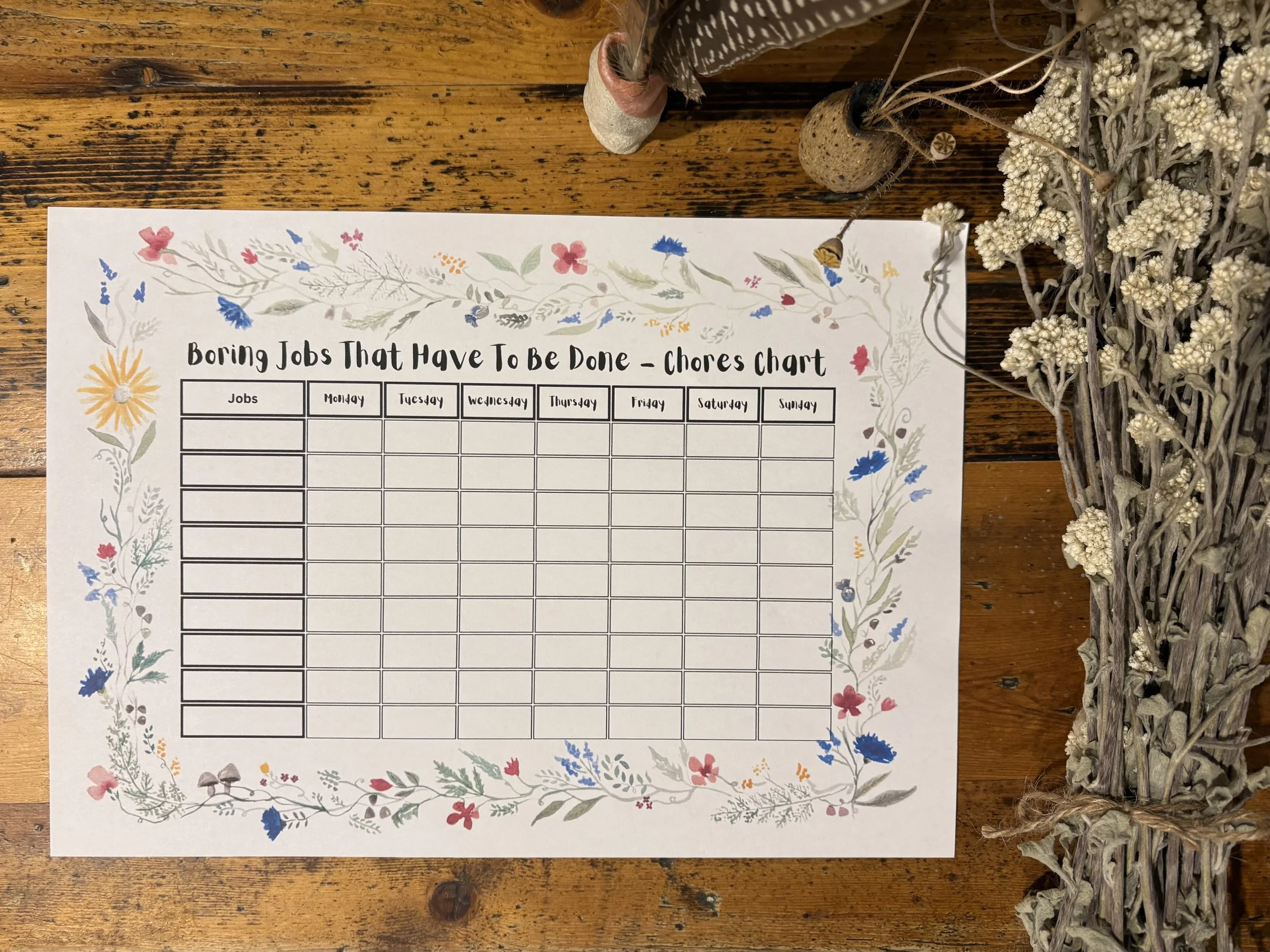 Image 2 of 3
 Image 3 of 3
Perfect Weekly Chores Chart for a Busy Family
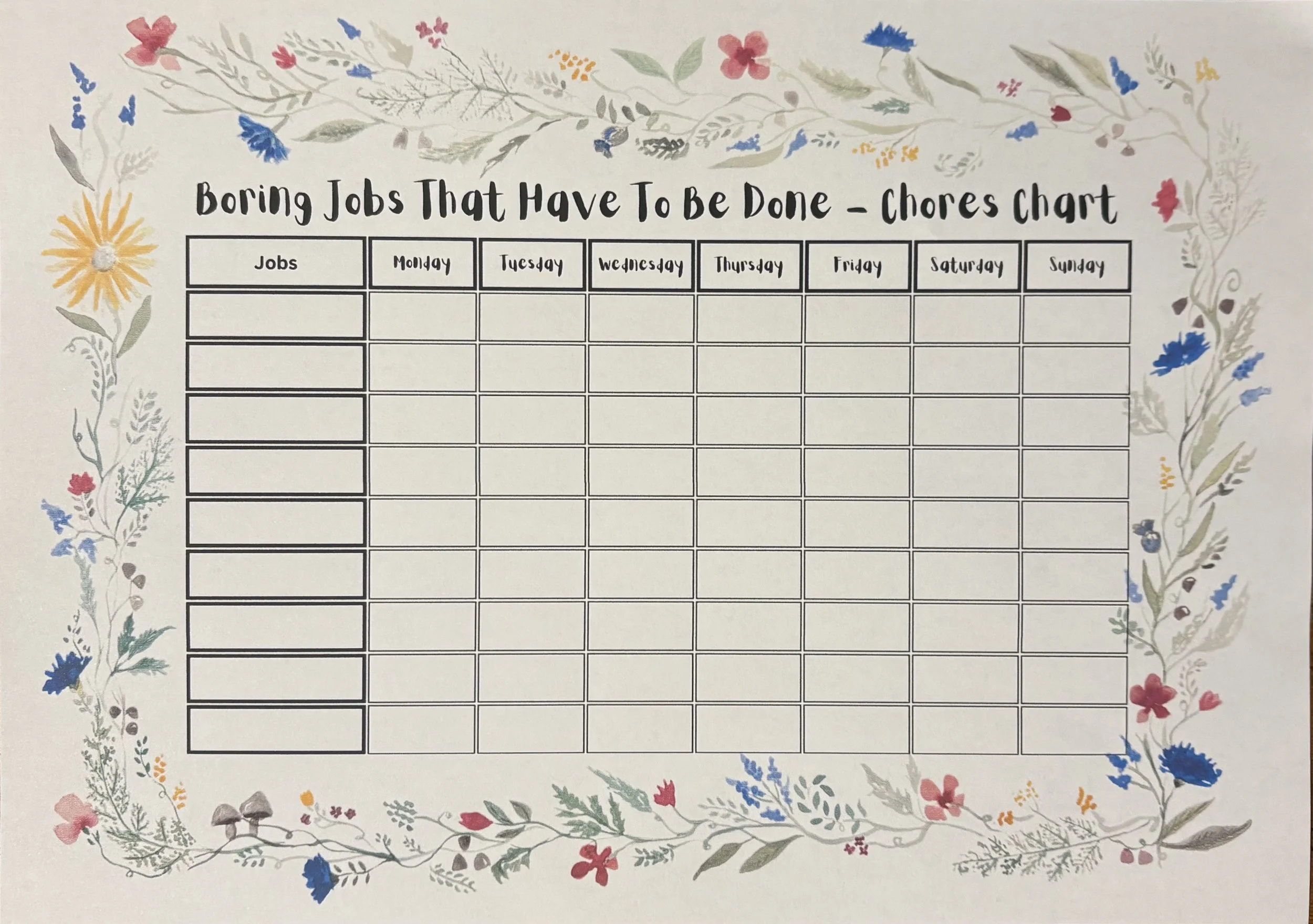
A clear, printable weekly chores chart helps everyone know what to do and when. This layout keeps all jobs in one place and includes a row for each person in the family. Print it and fill in names and tasks.
How to use
Print one copy for the week and display it in a common area (kitchen, mudroom).
Add each family member’s name across the left column.
List chores in the daily cells. Use short task phrases (e.g., “Dishes,” “Vacuum,” “Dog walk”).
Review and reset each Sunday evening for the coming week.
Rows: One row per family member (suggested order: Adults, Teens, Kids, Pets/Shared)
Example content (fill in under each day)
Chore types and age-appropriate ideas
Toddlers (2–4): Put toys in bin, match socks, wipe low surfaces with cloth
Young kids (5–8): Make bed, set table, water plants, feed small pets
Older kids (9–12): Load dishwasher, vacuum, fold laundry, take out trash
Teens (13+): Mow lawn, cook simple meals, grocery pickup, help younger siblings
Adults: Bills, heavy cleaning, yard work, driving/scheduling, supervising.
Tips for success
Keep tasks simple and specific. “Laundry” becomes “Wash & dry whites” or “Fold & put away.”
Rotate less popular chores weekly so no one always does the same job.
Use stickers, points, or small rewards to motivate younger children.
Schedule short daily chores (10–20 minutes) to prevent weekend overwhelm.
Hold a quick family check-in Sunday evening to confirm who’s doing what.
Respect flexibility — swap tasks when needed and update the chart.
Perfect Weekly Chores Chart for a Busy Family
A clear, printable weekly chores chart helps everyone know what to do and when. This layout keeps all jobs in one place and includes a row for each person in the family. Print it and fill in names and tasks.
How to use
Print one copy for the week and display it in a common area (kitchen, mudroom).
Add each family member’s name across the left column.
List chores in the daily cells. Use short task phrases (e.g., “Dishes,” “Vacuum,” “Dog walk”).
Review and reset each Sunday evening for the coming week.
Rows: One row per family member (suggested order: Adults, Teens, Kids, Pets/Shared)
Example content (fill in under each day)
Chore types and age-appropriate ideas
Toddlers (2–4): Put toys in bin, match socks, wipe low surfaces with cloth
Young kids (5–8): Make bed, set table, water plants, feed small pets
Older kids (9–12): Load dishwasher, vacuum, fold laundry, take out trash
Teens (13+): Mow lawn, cook simple meals, grocery pickup, help younger siblings
Adults: Bills, heavy cleaning, yard work, driving/scheduling, supervising.
Tips for success
Keep tasks simple and specific. “Laundry” becomes “Wash & dry whites” or “Fold & put away.”
Rotate less popular chores weekly so no one always does the same job.
Use stickers, points, or small rewards to motivate younger children.
Schedule short daily chores (10–20 minutes) to prevent weekend overwhelm.
Hold a quick family check-in Sunday evening to confirm who’s doing what.
Respect flexibility — swap tasks when needed and update the chart.